
A Smart Player’s Guide to Gambling Support Resources

Every player who appreciates spiellimits liveblackjackcasino tables in Germany should understand that entertainment and responsibility go hand in hand. This guide offers a simple look at the tools, limits, and professional resources accessible to keep the experience positive. Gambling is not a financial strategy, and acknowledging the difference between leisure and problematic behavior is the first step toward long-term peace of mind.
Building a Durable Recovery Plan
Recovery is never a straight line. A practical plan expects setbacks and contains concrete coping strategies for high-risk situations. Players should identify their personal triggers, including payday, loneliness, or alcohol consumption, and outline alternative activities in advance. Substituting the time previously spent gambling with exercise, hobbies, or volunteer work takes up the schedule and provides healthier dopamine sources.
Financial recovery goes parallel to behavioral recovery. Consulting with a debt counselor (Schuldnerberatung) is frequently necessary to negotiate with creditors and devise a practical repayment plan. These non-profit services are widely available in Germany. Rebuilding financial health eliminates a major source of anxiety, which in turn reduces the urge to escape through gambling. Patience and persistence are the cornerstones of permanent change.
Money Management Tools for Improved Bankroll Control
Bankroll management is a practice that separates smart players from those who endure financial harm. The fundamental rule is to regard the bankroll as a set entertainment expense, like a concert ticket. Players should use only disposable income that is left after all essential living costs, savings, and emergency funds are covered for the month ahead.
Separating gaming funds from daily finances is a effective safeguard. Using a dedicated e-wallet or a prepaid card with a set monthly allowance stops accidental overspending. German players can also set up bank blocks that automatically decline transactions to gambling merchants. These financial firewalls provide an extra layer of friction that limits impulsive deposit decisions.
Monitoring Every Euro Spent
Manual tracking is a effective awareness tool. Players should note every deposit, win, and loss in a basic spreadsheet. Seeing the cumulative net loss over a month often provides a sobering reality check that the gamified interface of a casino conceals. This raw data removes the illusion of being “due for a win” and exposes the true cost of play.
Many banking apps now categorize gambling transactions automatically. Reviewing these monthly summaries can be an insightful exercise. If the entertainment cost exceeds what was budgeted, it is a obvious signal to lower deposit limits or take a break. Honest accounting eliminates self-deception and keeps the player firmly in control of their financial health.
Building a Supportive Support Network
Isolation fuels addiction. Restoring contact with friends and family is a vital part of the recovery process. Players should choose a trusted person to act as an accountability partner. This person can check bank statements, mark milestones of abstinence, and give a reality check when the urge to gamble returns. Truthfulness with loved ones repairs the trust that addiction erodes.
Peer support groups provide a community of people who really understand the struggle. These meetings, held either online and in local community centers across Germany, adhere to a structured format where members share experiences without fear of stigma. Hearing from others who have maintained long-term abstinence delivers hope and practical coping strategies that clinical therapy alone might not address.
Participating in Anonymous Peer Groups
Gamblers Anonymous uses a twelve-step program adapted particularly for compulsive gambling. Meetings are free, anonymous, and open to anyone with a desire to stop. The group dynamic creates a sense of belonging that offsets the loneliness many players feel. Members exchange phone numbers and support each other between meetings during moments of high temptation.
In larger German cities, English-speaking meetings are also accessible for expatriates. The format stays consistent regardless of language. The focus is on personal responsibility, making amends for past harms, and developing a spiritual or reflective practice that addresses the void left by gambling. Long-term members often sponsor newcomers, guiding them through the early, fragile days of abstinence.
Navigating the Self-Exclusion System in Germany
Self-exclusion is a official agreement to limit access to gambling platforms for a specified period. In Germany, the nationwide OASIS system delivers a consolidated, cross-provider ban that includes both online and land-based venues. Once triggered, operators are legally mandated to refuse service, making it impossible to circumvent the block by simply changing to a different website.
Players can select between short-term cool-off periods of 24 hours to three months or long-term exclusions that continue for a minimum of one year. The process is mandatory and cannot be reversed early. This cooling-off barrier gives the brain time to reset its reward pathways and ensures the necessary distance to restore financial stability and personal relationships.
How to Activate the OASIS Blocking System
Registration for OASIS can be done directly through a licensed operator’s responsible gaming page or via the official state portal. The player must provide valid identification to confirm the ban is linked to their legal identity. Once the request is filed, the block becomes active almost immediately across all regulated German platforms.
The minimum exclusion period is usually three months, but a one-year term is often suggested for those pursuing a genuine behavioral reset. Upon expiration, the ban does not lift automatically. The player must submit a formal request to be removed, and a mandatory waiting period ensues. This prevents impulsive returns and reinforces a thoughtful re-entry into the gaming space.
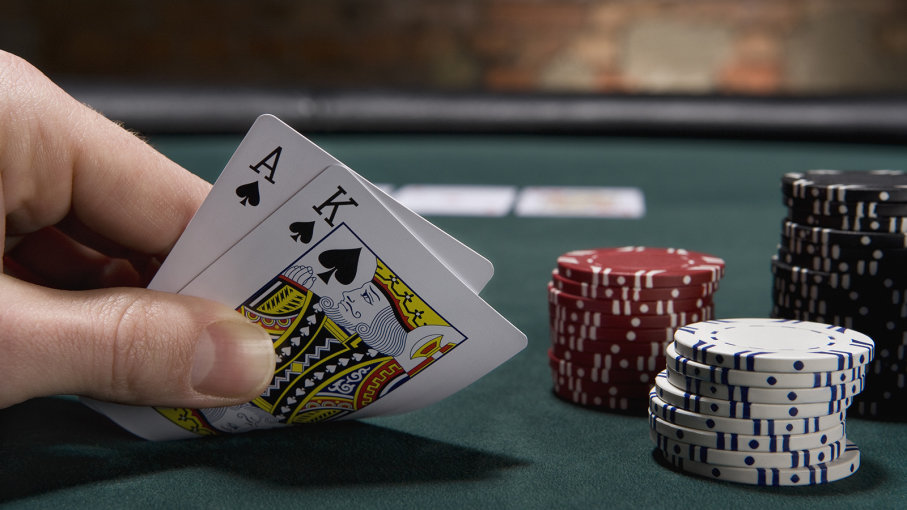
Creating Sensible Limits on Your Play
Deposit limits are the most efficient technical barrier a player can implement. By restricting the amount of money that can be deposited into a gaming account over a 24-hour, weekly, or monthly period, players create a hard stop that safeguards their bank account. Most German-facing platforms include these tools directly into the account settings for easy activation.

Time-based limits are equally critical. A session that continues for hours without a break leads to fatigue and poor judgment. Setting a strict session timer or a reality-check notification forces a player to pause and reflect. These pop-up reminders display the elapsed time and net spend, providing a moment of clarity during the immersive experience of a live casino.
Controlling Loss Limits and Wagering Caps
A loss limit defines the maximum amount a player is ready to lose in a single session or day. Once that threshold is triggered, the system blocks further play. This prevents the emotional decision to deposit again in an attempt to win back losses. It is a pre-commitment strategy that protects the player from their own impulsive reactions during a downswing.
Wagering caps regulate the size of individual bets. By constraining the maximum stake, players guarantee they cannot blow through their bankroll in just a few hands. This is especially useful at Live Blackjack Casino tables, where the fast pace can increase spending. A small, fixed wager maintains the playing time and lessens the financial damage of a cold streak.
Grasping the Link Between Mental Health and Gambling
Problem gambling infrequently exists in isolation. It often co-occurs with depression, anxiety disorders, or substance abuse. The dopamine rush of a winning hand can become a form of self-medication for deep-seated emotional pain. Treating the gambling behavior without tackling the root psychological condition often leads to relapse or the substitution of one addiction for another.
German health insurance provides coverage for psychotherapy for diagnosed gambling disorders. A referral from a general practitioner to a psychiatrist or psychotherapist is the usual path. Cognitive-behavioral therapy has proven highly effective in recognizing distorted thought patterns, such as the illusion of control or the gambler’s fallacy, which maintain players trapped in a destructive cycle at the Live Blackjack Casino table.
Utilizing Digital Blocking Software
Beyond the operator-level OASIS system, players can deploy software that prevents access to gambling websites across all devices. Applications like Gamban, BetBlocker, and GamBlock create a secure barrier on smartphones, tablets, and computers. These applications are difficult to uninstall and cover thousands of international sites that could not fall under the German regulatory umbrella.
Installing such software closes a common loophole. A self-excluded player may feel tempted to visit an unlicensed offshore site during a moment of weakness. Digital blocking tools remove that temptation at the device level. Many German counseling centers provide free licenses for Gamban to individuals who commit to a recovery plan, making this protection accessible to everyone.
Expert Support and Therapeutic Resources
When personal limits are exhausted, professional help is the next critical step. Germany has a comprehensive network of free, confidential addiction counseling centers. These services are run by trained therapists who understand the psychological triggers behind compulsive gambling. They offer both individual therapy and group sessions, creating a judgment-free space to address the underlying issues causing the behavior.
The Federal Center for Health Education (BZgA) runs the nationwide “Check dein Spiel” campaign. Their hotline and online chat deliver anonymous initial consultations. Trained counselors assist callers evaluate their risk, develop an action plan, and link them with local support services. This first point of contact is intended to be low-barrier and completely free of charge.
The Role of the BZgA Hotline
The BZgA telephone helpline operates on weekdays and offers guidance to both players and their concerned family members. The counselors avoid judging or lecture. Instead, they pay attention and offer structured information on therapy options, financial debt counseling, and self-help groups. They can also describe the technical steps for activating the OASIS self-exclusion system.
This support is particularly valuable for German speakers who opt to discuss delicate issues in their native language. The hotline bridges the gap between acknowledging a problem and undertaking concrete action. Many callers report feeling a sense of relief just by voicing their difficulties to a neutral professional who knows the specific legal and cultural landscape of gambling in Germany.
Searching for Local Addiction Counseling Centers
Every German state funds addiction support centers (Suchtberatungsstellen) that offer face-to-face therapy. These centers are operated by charitable organizations like Caritas, Diakonie, and the Paritätischer Wohlfahrtsverband. Appointments are commonly available within a few weeks, and the services are without charge for residents. Therapists there specialize in behavioral addiction and often use cognitive-behavioral therapy techniques.
Family members are also welcome to seek help at these centers, even if the player themselves is not willing to attend. Counselors can impart coping strategies to partners and parents, helping them steer clear of enabling behaviors. This holistic approach acknowledges that problem gambling affects an entire household, not just the individual seated at the virtual table.
Grasping Responsible Gambling Fundamentals
Responsible gambling involves maintaining control over time and money spent, regardless of winning or losing streaks. It involves setting clear boundaries before logging in and viewing losses as the cost of entertainment. For German players, this mindset is backed by a robust regulatory framework designed to protect consumers from the negative consequences of unmanaged play.
At its core, responsible play is about knowledgeable decision-making. Players should never chase losses or borrow money to wager. The thrill of a live dealer game should not ever overshadow logical thinking. When entertainment ceases to be enjoyable and begins to cause stress, anxiety, or financial strain, it has passed the threshold into a potential problem that needs immediate attention.
Identifying the Early Warning Signs
Minor changes in behavior often signal the shift from casual play to risky habits. A player might start spending increasing amounts of time thinking about past sessions or planning the next one. They may become secretive about their activity or feel irritable when they cannot access a live table. These emotional shifts are red flags.
Financial indicators are equally important. Selling possessions, missing bill payments, or taking out unexpected loans to fund play are severe warning signs. In Germany, players can use self-assessment tools supplied by state authorities to measure their risk level. Admitting these signs early prevents a manageable hobby from developing into a destructive pattern.


LEAVE A COMMENT